
Palo Alto, CA · Leak Detection · Priority Diagnostic
Water Leak Detection in Palo Alto, CA: Start With the Meter Before Anyone Opens a Wall
The water bill jumped and nothing looks wet. Or a stain is spreading across a ceiling, or a strip of lawn stays green into September. Finding a leak is a separate job from fixing it, and done properly it means opening one small hole in the right place instead of several in the wrong ones. Water leak detection services in Palo Alto, CA start with the meter, before anyone opens a wall.
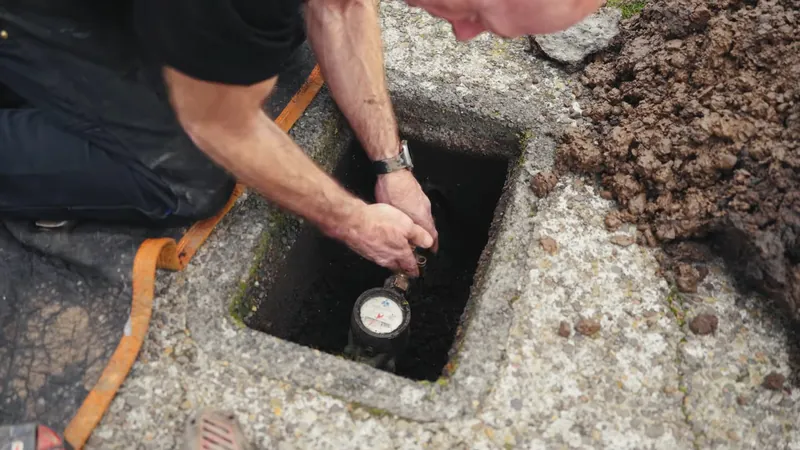
Start at the meter: proving there is a leak
Before anyone listens to a wall or images a floor, the water meter answers the first question: is water moving when nothing is using it? You can run this test yourself.
- Turn off every tap, appliance and irrigation timer in the house and yard.
- Find the meter box near the street and lift the lid. Many meters have a small low-flow indicator, a triangle or star that spins with even a slight flow.
- Watch it for a few minutes. If it moves, water is going somewhere.
- Close the house shut-off valve and watch again. If it stops, the leak is inside the house. If it keeps moving, the leak is on the line between the meter and the house.
Hidden leak warning signs: bill creep, night noise, musty smells
- A water bill noticeably higher than the same period last year, with no change in household use
- The sound of running water when everything is off
- A toilet that refills on its own every so often, which a dye tablet in the tank will confirm
- A musty smell from a cabinet, closet or crawlspace with no visible water
- Warm patches on a floor, or paint bubbling low on a wall
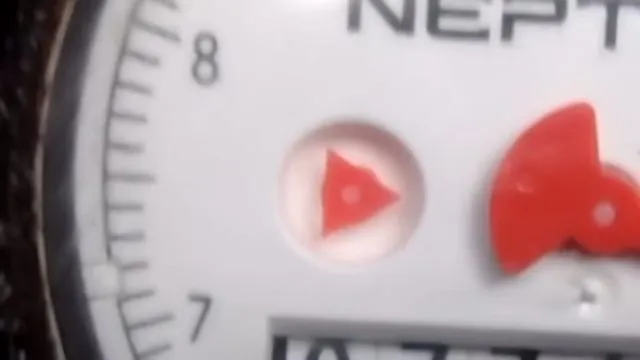
Meter still moving with everything off? That is a leak worth locating now.
Call (833) 840-2034Your side of the meter, or the city's
In Palo Alto, the dividing line is the meter itself. City of Palo Alto Utilities Rule and Regulation 21, in effect since October 21, 2019, makes the utility responsible for the water service from, and including, the meter out to the main. The property owner maintains everything downstream of the meter: the line across the yard, the house plumbing, and the meter box itself.
That means a leak on the yard section between the meter and the house is a homeowner repair. They often announce themselves as a strip of lawn that stays green or soggy, a sinking patch of ground, or a meter that keeps moving after the house valve is closed.
Where the main runs through a public utility easement or a private street, the rule limits the utility's responsibility to the main and the meter, so the same principle holds: past the meter, it is yours.
Listening, imaging and tracer gas
Once a leak is proven, the job is to pinpoint it closely enough to make one opening. Different methods suit different situations, and a good locate usually uses more than one.
| Method | Best at | Limits |
|---|---|---|
| Acoustic listening | Pressurized lines under floors and yards, using a ground microphone and sensors on fittings | Quiet leaks and very soft soils can be hard to hear |
| Thermal imaging | Hot-water lines and radiant heating loops, which show as warm patterns through flooring | Cold-water leaks show only once they cool the surface around them |
| Tracer gas | Small or quiet leaks; a safe gas is introduced to the drained line and detected where it escapes | Takes longer to set up |
| Electronic line location | Tracing the route of a buried pipe so the other methods are aimed correctly | Locates the pipe, not the leak itself |
Moisture meters then confirm the extent of any wetting around the source, which tells you how much drying the area will need.
Ceiling and wall stains: reading the pattern to find the pipe
A ceiling or wall stain tells you water is there, but not which pipe it came from. The pattern narrows it down quickly.
- Only appears when a shower or tub is used: usually a drain, a failed shower pan or a grout and caulk problem, not a supply line.
- There all the time, or slowly growing: usually a pressurized supply line behind the wall or above the ceiling.
- Under a bathroom, only after a toilet is flushed: often the wax seal at the base of the toilet.
- Only appears when it rains: usually the roof, flashing or a gutter overflowing against the wall, rather than plumbing.
That last one matters, because roof and gutter repair is roofing work. We can tell you whether a stain is plumbing or roof, which saves you calling the wrong trade, but we do not repair roofs or gutters.
Pinhole leaks in copper pipe
Copper supply pipe can develop pinhole leaks: tiny holes that spray or weep, often inside a wall where they go unnoticed. They have several possible causes, including the age of the pipe, high water velocity, and how it was installed.
Palo Alto's water is not an obvious suspect. The city's 2025 water quality report shows copper levels at the tap well below the regulatory action level, and the supply is treated with pH adjustment for corrosion control. That is why the pipe and its history get examined, rather than the water being blamed.
The practical point is that one pinhole is rarely the only weak spot. If a copper system has had more than one, it is worth asking whether repiping the whole house makes more sense than chasing each new leak.
Irrigation lines, pools and spas
Outdoor water use is where a lot of unexplained consumption hides, because irrigation lines run underground and only pressurize when the timer runs. A leak may waste water for weeks without ever showing above ground.
- A soggy area around a sprinkler head or along a buried line
- A valve box that is full of water
- A zone with weak spray while others are normal
- A hose bib dripping where it meets the wall
Pools and spas are a special case. A simple bucket test, placing a bucket of water on a pool step and comparing the two water levels after a day, separates evaporation from a real leak. We test the pool's plumbing lines and equipment connections. Repairing the shell or liner is a pool contractor's job.
Below-grade rooms and crawlspaces
Water in a basement or below-grade room is worth checking against the plumbing before anyone assumes groundwater. The city's own geotechnical reporting puts groundwater roughly 23 to 31 feet down in the part of Palo Alto it studied, which is well below a typical basement floor. Surface drainage and plumbing leaks are both more common explanations.
Crawlspaces under older raised-foundation houses are the other place leaks run unseen. A damp smell, a soft spot in a floor, or insulation hanging down are all reasons to look underneath.
If you smell gas
A gas smell is not a water leak and is not handled like one. City of Palo Alto Utilities runs the city's gas system, and the first calls go there and to 911, from outside the house.
- Leave the building. Do not switch lights or appliances on or off on the way out.
- Call 911 or the City of Palo Alto 24-hour emergency number, (650) 329-2579, from outside.
- Do not try to turn a gas meter back on yourself once it has been shut off.
Once the utility has made it safe, finding and repairing a leak in the house's own gas piping is plumbing work: the system is pressure-tested, and the leak is located with an electronic detector and a bubble solution on the fittings.
Water you cannot find, or a meter you cannot explain? Call and we will locate it.
Call (833) 840-2034Leak detection in shops, offices and multi-unit buildings
Commercial and multi-unit properties make leaks harder to find, because there is more pipe, more fixtures and usually someone using water at all hours. Meter tests are best run when the building is empty, and where units are separately metered, comparing each meter narrows the search to one unit or one riser.
What happens once the leak is found
The locate ends with a marked spot and a plan. What comes next depends on what was found.
- A supply line under a slab: slab leak repair, by spot repair or rerouting.
- A pipe that has split: burst and broken pipe repair.
- A system with repeated leaks: a repair-versus-repipe conversation, with ranges for both.
- Water that has soaked into flooring or walls: extraction and drying once the source is stopped.
Leak detection questions
How much does leak detection cost in Palo Alto?
It depends on how much has to be ruled out: a meter test and a single wall is a short visit, while a quiet leak under a slab may need acoustic, thermal and tracer methods together. You get a written range before the locate starts. Repairs found during it are quoted separately.
Who should I hire to find a hidden water leak?
Leak location and the repair that follows are plumbing work, which California regulates under the C-36 plumbing classification. The Contractors State License Board publishes a lookup that lets you confirm a contractor before they open any wall or floor.
Is a leak between the meter and my house my responsibility in Palo Alto?
Yes. Under City of Palo Alto Utilities Rule and Regulation 21 the utility maintains the service up to and including the meter, and the property owner maintains everything downstream of it, including the line across the yard.
Can a leak be found without cutting into walls?
Usually it can be located without opening anything, using acoustic listening, thermal imaging or tracer gas. Reaching it to repair it normally needs one opening, but locating first means that opening is small and in the right place.
Why is my water bill high when I cannot see a leak?
The common hidden causes are a toilet refilling silently, an irrigation line leaking underground, a leak on the yard section of the service line, or a supply line under a floor. The meter test on this page tells you whether water is moving at all, and whether it is inside the house or outside.
A leak you cannot see?
Run the meter test, then call with what you found. You will know whether the leak is inside or outside the house before anyone arrives, and get a written range before anything is opened.