
Palo Alto, CA · Water Extraction and Drying · Emergency
Water Damage Restoration in Palo Alto, CA: Extraction and Drying, Not Rebuilding
The leak is stopped, but the carpet is soaked, the baseboards are dark and the room smells damp. What happens in the next day or two decides whether this stays a drying job or turns into one where materials have to come out. Water damage Palo Alto homes face usually starts with a failed supply line, a leaking water heater or an overflowing fixture.
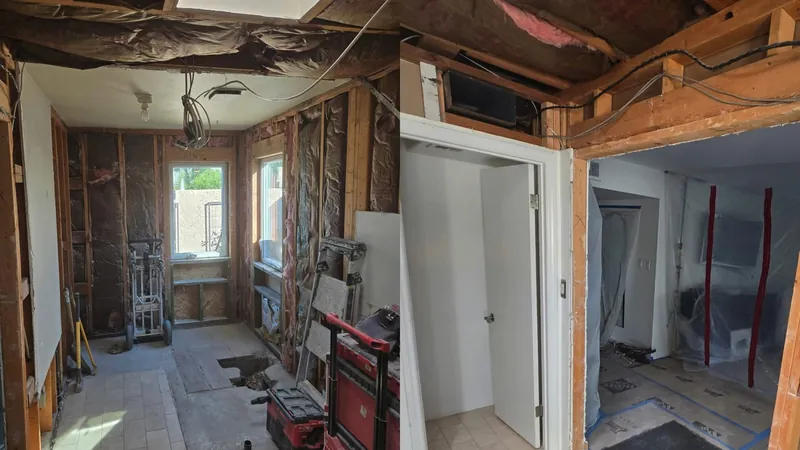
Why 24 to 48 hours matter most for drying and mold
The US Environmental Protection Agency's guidance is direct about this. Water-damaged areas and items should be dried within 24 to 48 hours, and when wet materials are dried in that window, in most cases mold will not grow.
That is the whole reason extraction is an emergency service. Standing water pulled out quickly, and the structure dried with dehumidifiers and air movers, is a very different outcome from the same water left to soak into subfloor and drywall over a weekend.
What to do before help arrives
- Stop the source. If it is still running, shut the water off first. The burst pipe shut-off page shows where to start.
- Make it safe. Switch off power to any wet circuit, and keep people and pets off soaked flooring.
- Document it. Photograph the source, the water line on walls and every affected room before anything is moved.
- Call for extraction. The sooner water comes out, the more of the floor and walls can simply be dried rather than removed.
Water on the floor right now? Call for emergency extraction.
Call (888) 681-3447Clean water, gray water and sewage are three different jobs
Water damage is not all the same, and the industry standard for drying, IICRC S500, sorts it into three categories by how contaminated the water is. The category decides what can be dried in place and what has to be removed.
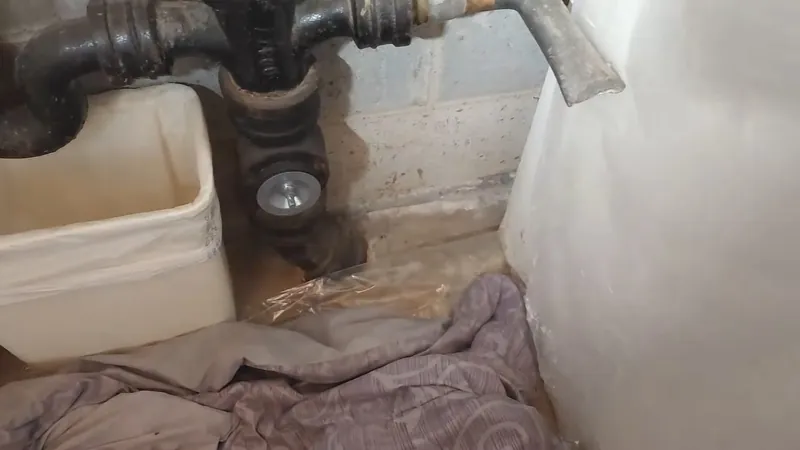
| Category | Typical source | What it means for cleanup |
|---|---|---|
| Category 1, clean | A burst supply line, a failed water heater, an overflowing sink with clean water | Most materials can be extracted and dried in place if caught early |
| Category 2, gray | Dishwasher or washing machine discharge, a toilet overflow with no waste | Some porous materials, such as carpet pad, are usually removed |
| Category 3, sewage | A sewer backup, or any water that has sat long enough to turn | Porous materials it touched are removed, not dried |
Clean water also does not stay clean. Water that started as a Category 1 supply leak can degrade if it sits, which is another reason speed matters. If you are not sure which you have, describe the source on the call.
Drying hardwood, carpet, ceilings and walls
Each material behaves differently when wet, so the drying plan is built around what got soaked. We take readings with a moisture meter rather than guessing from the surface, because a floor can feel dry while the subfloor beneath is still wet.
- Hardwood and engineered wood floors start to cup as the boards absorb water from below. Drying them in place with targeted air movement is attempted first, before cupping becomes permanent.
- Carpet and pad are extracted with truck or portable units. The pad underneath is usually removed after a Category 2 loss and always after Category 3.
- Ceilings that are sagging or holding water are drained in a controlled way to stop a collapse, then dried from both sides where access allows.
- Walls are checked behind baseboards, where water wicks upward into drywall and insulation out of sight.
What we do not do: we handle extraction, drying and the removal of materials that cannot be saved. We do not rebuild, refinish or replace floors, walls, ceilings or carpet. Once the structure is verified dry, that work goes to a contractor of your choosing.
Sewage backups: removal first, then drying
A sewer backup is the one water damage situation where drying in place is not an option for anything porous. Category 3 water carries bacteria, and materials it soaks into are removed rather than cleaned.
- Stop using every fixture in the house so no more water goes down the line.
- Keep people, and particularly children and pets, out of the affected area.
- Do not run fans or the HVAC system through the space until it has been cleaned.
- Call, so the blockage and the cleanup can both be dealt with.
The cause matters as much as the cleanup. Under Palo Alto's sewer rule the homeowner is responsible for the private lateral from the first city cleanout to the house, so a camera inspection of that line is part of making sure it does not happen again. The sewer line repair guide covers that side.
Sewage backup? Stop using water and call now.
Call (888) 681-3447Mold on water-damaged materials
When water has sat too long and mold has started to grow on wet materials, we remove the affected materials as part of the cleanup. We do not offer mold testing or air sampling.
That is not a gap in the service. The EPA's own guidance says that in most cases, if visible mold growth is present, sampling is unnecessary. The useful question is not what species it is but why the material got wet and whether it is now dry.
If anyone in the home has health concerns related to mold, that is a conversation for a physician, and we would rather say so than make claims about health effects.
San Francisquito Creek homes and the February 1998 flood
San Francisquito Creek forms the boundary between Palo Alto and East Palo Alto, and residents near it remember February 1998. Heavy rain combined with high tides pushed the creek over its banks in the early hours of February 3, and around 1,700 properties were damaged across East Palo Alto, Palo Alto and Menlo Park.
That same month set Palo Alto's single-month rainfall record, 12.43 inches, in a city that averages about 15 inches across a whole year. Since then the cities have added creek-level monitoring and raised levees along parts of the creek.
None of that tells you anything about the risk at a particular address, and we will not pretend it does. What it does mean is that if storm water ever reaches the house, extraction and drying are time-critical for the same 24 to 48 hour reason as any other leak.
What to have ready for an insurance claim
We do not deal with your insurer on your behalf, but the drying stage creates most of the records an adjuster asks for. Keeping them organized from the first hour saves a lot of back and forth.
- Photos of the source, the water line on walls and every affected room, taken before cleanup.
- The plumber's note of what failed and when it was stopped.
- Daily moisture readings, which show the structure was dried rather than just left to air out.
- A list of any materials removed and why, such as pad removed after a gray water loss.
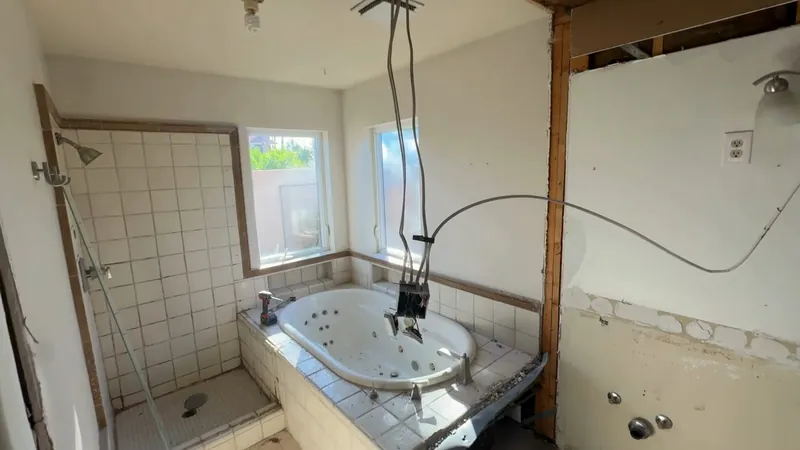
Water damage drying for small offices, shops and multi-unit buildings
We also handle extraction and drying for small offices, shops and multi-unit buildings in Palo Alto and East Palo Alto. The process is the same, with two differences: work often has to fit around opening hours, and shared walls mean moisture checks extend into the neighboring unit before anyone can call a space dry.
Water damage questions
How much does water damage extraction and drying cost in Palo Alto?
It depends on the size of the area, how long the water sat, and which category of water it was, since sewage means materials come out rather than being dried. We give a written range after the moisture readings are taken and before the drying setup begins.
Does water damage cleanup need a contractor with a California license?
Extraction and drying do not need a plumbing license, but fixing the leak that caused them usually does, and that should be a California C-36 plumbing contractor you can look up on the CSLB site. The industry drying standard is IICRC S500, and it is reasonable to ask anyone drying your home whether they work to it.
Do you repair or replace damaged floors and drywall?
No. We extract the water, dry the structure, and remove materials that cannot be saved. Rebuilding and refinishing go to a contractor of your choosing once moisture readings confirm the structure is dry.
Do you test for mold?
No. The EPA's guidance is that sampling is usually unnecessary when mold is visible, and what matters more is drying the area and removing affected materials. Visible growth on water-damaged materials is removed as part of the cleanup.
How long does drying take?
Typically several days, but it is decided by moisture readings rather than by a calendar. Equipment comes out once readings show the materials are back to normal, not when the surface feels dry to the touch.
Water damage in Palo Alto?
Call for emergency extraction. How soon a plumber can arrive depends on your area and plumber availability. The faster the water comes out, the more of the floor and walls can be dried rather than removed, and you get a written range before the drying begins.