
Palo Alto, CA · Slab Leaks · Locate Before Anything Is Cut
Slab Leak Repair in Palo Alto, CA: Is the Warm Floor a Leak or Just the Radiant Heat?
A patch of floor that feels warm, a water bill that will not settle, or the faint sound of running water when every tap is closed. Under a concrete floor those clues point to a short list of causes, and in south Palo Alto that list includes one most other cities never have to consider. Slab leak detection and repair in Palo Alto, CA often begins with telling a leak apart from the radiant heating in an Eichler floor.
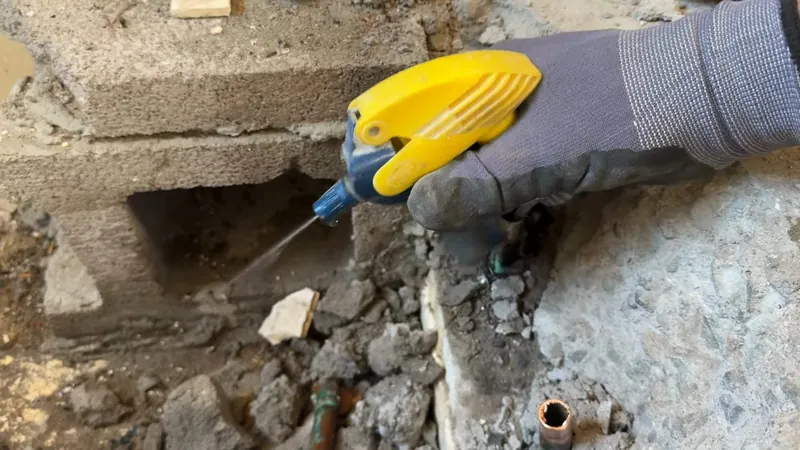
Warm floor in an Eichler: supply line or radiant heating?
Many Eichler homes in south Palo Alto are heated by hot water pumped through tubing set into the concrete. In those houses a warm patch underfoot has two very different explanations, and the repair for each has nothing in common with the other.
- Turn the heating off. Shut the radiant system down at the thermostat and leave it off for several hours, long enough for the slab to cool.
- Feel the spot again. A patch that stays warm with the heating off is being fed by something else, most often the domestic hot-water line.
- Watch the heating system's gauge. A closed radiant loop that is losing water tends to show up as falling pressure at the boiler, or a fill valve that keeps topping the loop up.
- Check the water meter. With every fixture off, a moving meter points to a pressurized supply line rather than to the heating loop.
None of these steps proves the answer on its own, but together they tell the plumber which system to test first, which saves time on the visit.
Warm patch you cannot explain? Call before anyone cuts into the floor.
Call (833) 840-2034Copper or steel: reading the heating pipes
If the radiant loop is the suspect, the next question is what the tubing is made of, because that changes the outlook more than the age of the house does. Eichler homes from 1950 used copper; from late 1951 the builder switched to steel during the Korean War copper shortage; copper returned in the later 1950s.
- Look at the color. Pipe leaving the heating manifold that is copper-colored is copper. Green, gray or aluminum-colored pipe points to steel.
- Try a magnet. If a magnet clings to the fittings where the heating loops begin, the system is steel. Copper will not hold one.
- Why it matters. Leaks in copper radiant tubing are generally repairable. In a steel system the first leak can be an early warning about the life left in the whole loop.
A failing steel loop is a heating decision as much as a plumbing one, and it usually involves a heating contractor as well. Locating the leak and confirming the material comes first either way.
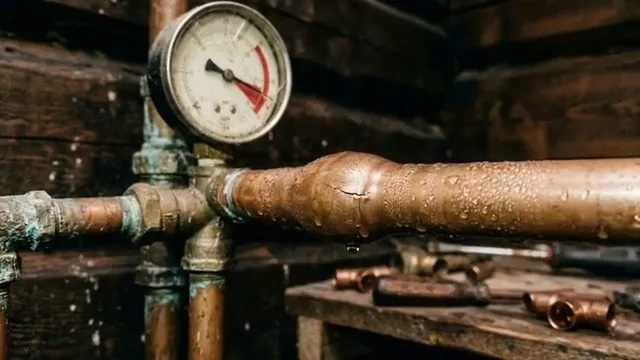
Signs a supply line under the floor is leaking
When the heating is ruled out, or the house has none, these are the signs that point to a pressurized water line running in or under the slab.
- A water bill that rises with no change in how the household uses water
- Running water you can hear with every fixture in the house turned off
- A hot spot in tile or hardwood over a hot-water line
- Carpet that is damp or smells of mildew with no spill or roof leak to explain it
- Cracked tile, lifting floorboards or new cracks in walls near the floor
- White, powdery efflorescence along the base of the foundation
Finding the leak without opening the slab
Concrete is broken once, in one place, after the leak has been pinned down. Everything before that is done from above the floor.
- Hot or cold side. The cold supply to the water heater is closed and the meter watched again. If it stops, the leak is on the hot side.
- Line by line. Each section is isolated and given a pressure test, which separates a slab leak from a fixture or a wall.
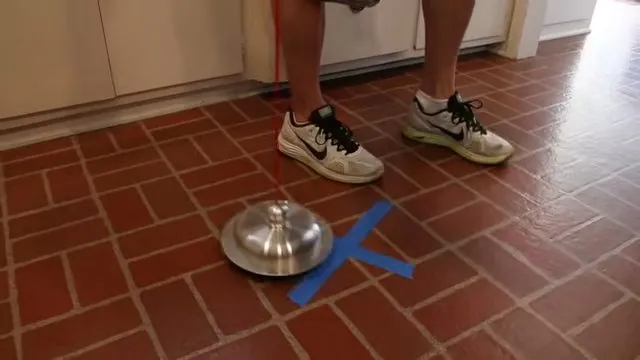
- Listen. Acoustic equipment picks up the hiss of water escaping under pressure and narrows it to a small area of floor.
- Confirm and mark. Thermal imaging or a tracer gas confirms the point where needed, and it is marked on the floor with the line's route.
The full set of locating methods, and how each copes with different floors and soils, is on our leak-locating methods page.
Three ways to repair it, and when each makes sense
| Option | What is involved | Best suited to | Trade-off |
|---|---|---|---|
| Spot repair | A small section of floor and concrete is opened over the leak, the pipe is repaired, and the slab is patched | A single leak in pipe that is otherwise sound | Flooring has to be lifted and matched afterwards |
| Reroute | The leaking line is abandoned under the slab and a new one is run through walls or the ceiling | Older pipe likely to leak again, or a leak under finished flooring you want to keep | New openings in walls and ceilings to patch |
| Epoxy lining | The line is dried, cleaned and coated inside with epoxy without excavation | Some sound pipes starting to pit | Not every line or leak is a candidate |
A single spot repair is the right answer for a first leak in good pipe. When the same lines have leaked before, a reroute is usually the better use of the money, because it takes the whole run out from under the concrete for good. The no-dig methods are explained further on our trenchless repair page.
Need to compare a spot repair with a reroute? Ask for both prices in writing.
Call (833) 840-2034When a leak threatens the foundation
Water escaping under a slab does not stay where it started. It soaks the soil beneath the concrete, and over time that can matter for the foundation itself.
How much depends on the ground. The city describes Palo Alto's soils as expansive in places, meaning clay that swells when wet and shrinks as it dries, and the California Building Code requires soils to be evaluated site by site. That is a reason to deal with a slab leak promptly, not a prediction about any particular house.
- Cracks that are new or widening. A plumber can stop the water, but whether the foundation needs attention is a question for a structural engineer.
- Post-tension slabs. Some newer slabs are reinforced with steel cables held under very high tension. Cutting into one without locating those cables first is dangerous, so any breakout is planned around them.
- Caliche. This hard, cemented soil layer is a feature of dry desert regions. It is not part of Palo Alto's soil profile and does not factor into leaks here.
Reading your insurance policy before the floor is opened
Home insurance policies vary a great deal in how they treat a leak under a slab. Many separate three costs: getting to the pipe, repairing the pipe, and repairing damage the water caused. One may be covered when another is not.
- Find the water damage and foundation sections of your own policy before work starts
- Ask your insurer whether they want to inspect before any concrete is broken
- Keep the written leak location report, with photos of the marked floor
- Keep photos of any damaged flooring or walls before they are removed
We do not decide coverage, and nobody but your insurer can. What we can do is document the locate and the repair clearly enough for the claim.
What slab leak repair costs
Locating and spot-repairing a leak under a slab falls in a wide market range of about $1,500 to $4,500 in this area. Three things decide where a job lands: how long it takes to locate the leak, how deep the line runs beneath the foundation, and whether the fix is a concrete breakout or an overhead reroute in PEX.
You get a written range for each option once the leak is located, before any floor is lifted.
Slab leak questions
What are the most common signs of a hidden slab leak in Palo Alto homes?
Look for a water bill that climbs for no reason, the sound of water running when nothing is on, a warm patch on tile or wood, damp or musty carpet, and fine cracks in flooring or along baseboards. In Eichler homes, rule out the radiant heating before assuming the supply line.
My floor has a warm spot. Is it a slab leak or the radiant heating?
Switch the radiant heating off and let the floor cool for several hours. If the spot stays warm, a hot-water supply line is the more likely source. If it cools but the boiler keeps losing pressure, the heating loop is the suspect. A meter test with every fixture off helps separate the two.
How can I tell whether my Eichler's radiant heating pipes are copper or steel?
Look at the pipe where it leaves the manifold. Copper-colored pipe is copper; green, gray or aluminum-colored pipe usually means steel. A magnet clinging to those fittings settles it. Copper leaks are generally repairable; a first leak in steel deserves a closer look at the whole system.
How much does slab leak repair cost in Palo Alto?
Locating the leak and repairing it in place usually sits in a wide market range of about $1,500 to $4,500, depending on locating time, how deep the line is, and whether the slab is opened or the line is rerouted overhead. You get a written range once the leak is found.
Who should repair a slab leak, and does it need a permit?
Look for a California C-36 plumbing license, and check it on the Contractors State License Board's website before anyone cuts concrete. Rerouting or replacing water lines is normally permitted work in Palo Alto, and the plumber should tell you up front whether your job needs one.
Something warm, wet or running under your floor?
Call and describe what you are noticing. We will help you rule the heating in or out over the phone, and locate the leak before any concrete is touched.