
Palo Alto, CA · Water Heater Installation · Gas and Heat Pump
Water Heater Installation in Palo Alto, CA: Gas, Electric or Heat Pump for the Replacement?
The old tank is leaking from its base, or it is old enough that you would rather replace it on your schedule than on its. In Palo Alto the decision has one extra layer, whether to stay with gas or move to a heat pump, and the rules on that are not what many people assume. Water heater installation and replacement in Palo Alto, CA means choosing between gas, electric and heat pump units, and asking about permits before the old tank comes out.
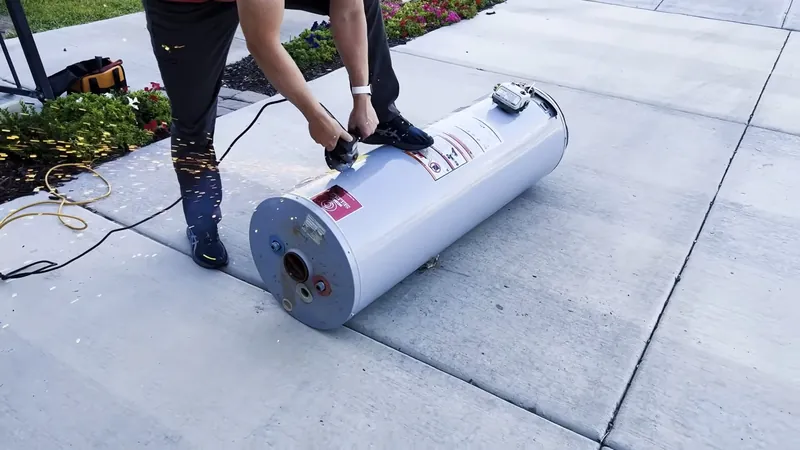
Gas, heat pump or tankless: what Palo Alto requires right now
Many Palo Alto homeowners believe they are no longer allowed to install a gas water heater. That is not currently the case. The rule that would have forced a heat pump whenever a gas water heater was replaced during an addition or remodel is on hold: the City Council suspended it on February 26, 2024, following a Ninth Circuit decision against local bans on gas piping.
What does still apply is electric readiness. When a project adds or replaces a gas-fuelled appliance, the city's code still calls for the electrical groundwork for a future electric replacement. So a like-for-like gas swap is allowed, but it can come with some electrical work.
| Gas tank | Heat pump | Tankless | |
|---|---|---|---|
| Allowed for replacement today | Yes, with electric-readiness work where required | Yes | Yes |
| What usually drives the install cost | Venting and the gas connection | Space, airflow and a suitable electrical circuit | Gas line size or electrical capacity, and new venting |
| Where it can go | Garage, closet or utility space with proper venting | Somewhere with enough air volume around it, often a garage | Wall-mounted, inside or outside |
| Our page | This page | This page | Tankless water heaters |
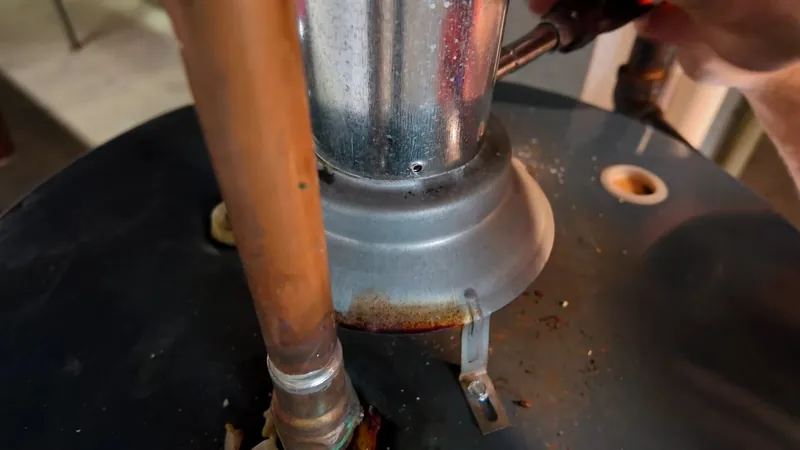
Replacing a gas tank like for like
A straight gas replacement is the quickest option and the closest to what most houses already have. The work is mostly in getting the connections and the venting right, because a new tank is a different height and shape from the one it replaces.
- Venting. The flue has to rise properly from the draft hood and connect securely, so combustion gases leave the house rather than spill into it.
- Gas connection. A new flexible connector, a shut-off valve within reach, and a sediment trap on the supply line ahead of the gas control.
- Combustion air. A closet installation needs enough air for the burner, which the old installation may never have had.
- Electric readiness. Where the code calls for it, a circuit or conduit is run so a future electric unit can go in without new wiring.
A gas water heater with a yellow flame, soot around the burner or a carbon monoxide alarm nearby is a safety issue, not a replacement project. Shut it off and call.
Tank leaking from the bottom? That one needs replacing, and soon.
Call (833) 840-2034Moving to a heat pump water heater
A heat pump water heater, sometimes called a hybrid, heats water by moving heat out of the surrounding air rather than by burning gas or using an element alone. It is a different machine to place than a gas tank, and three things decide whether your space suits one.
- Air around it. It pulls heat from the room, so it needs a reasonable volume of air, and it leaves that space cooler. A garage is often ideal.
- Power. Most models need a dedicated circuit, and many need a 240-volt supply that a gas location never had. Some models run on a standard outlet.
- A drain. It produces condensate, which needs a drain or a pump to carry it away.
City of Palo Alto Utilities runs a full-service heat pump program called Electrify My Home, and a self-managed Rebate Hub for homeowners who arrange their own contractor. Incentives change through the year, so check the city's current offers before you choose a route.
Sizing the tank to the household
Tank capacity in gallons is only half the story. The number that tells you whether a heater will keep up with a busy morning is its first-hour rating, the amount of hot water it can deliver in an hour starting from full. Two 50-gallon tanks can differ widely.
Heat pump models recover more slowly than gas, so they are often sized up a step, or set to a faster hybrid mode for heavy-use days. Count the showers that tend to happen back to back, add the dishwasher and laundry, and size to that peak rather than to the tank you had.
An accessory dwelling unit changes the count. A detached ADU can take its own small heater, often an electric or heat pump unit, or share the main house heater if the pipe run is short. A long run means a wait for hot water at the ADU tap, so the choice is between one larger heater and a second small one close to the fixtures.
Code items every installation has to meet
Replacing or installing a water heater in Palo Alto typically requires a building permit and an inspection afterwards. These are the items that inspection focuses on, and the ones a careless install most often misses.
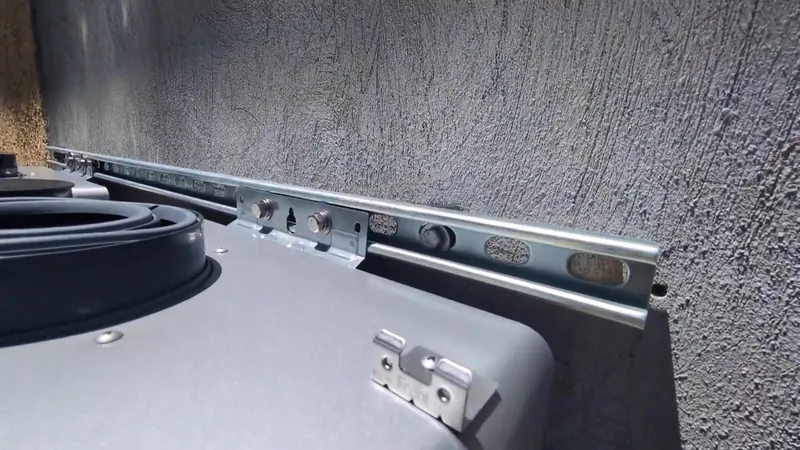
- Earthquake strapping. State law, Health and Safety Code section 19211, covers every residential water heater, new or old, and calls for bracing, anchoring or strapping to the plumbing code's standard.
- Relief valve discharge. The temperature and pressure relief valve needs a discharge pipe run to a safe, visible termination.
- Venting. For gas units, correct flue size, slope and connection.
- Thermal expansion. Where the water system is closed, for example by a check valve or pressure regulator, the code calls for a way to absorb expansion, usually an expansion tank.
- Leak protection. A drain pan where a leak would damage the floor or the space below.
If you are selling the house, section 19211 also requires you to certify to the buyer in writing that the heater is properly braced.
What happens on installation day
- The old heater is shut off at the gas or the breaker, the cold supply is closed, and the tank is drained.
- Connections are undone and the old unit is moved out.
- The new heater is set level, on a pan where needed, and strapped to the wall.
- Water, gas or electrical, and venting connections are made, with new fittings rather than reused ones.
- The tank is filled completely and air purged from the hot lines before any heat is turned on, since firing an empty tank can destroy an electric element.
- The burner or heat pump is started, the relief valve and venting are checked, and the old unit is taken away.
A like-for-like gas or electric swap is often finished in a single visit. A heat pump that needs a new circuit or a condensate drain can take longer, particularly if electrical work has to be scheduled.
Planning a replacement? Call and talk it through before the old one fails.
Call (833) 840-2034Cost, and what moves it
Replacing a standard tank water heater falls in a wide market range of about $1,200 to $2,800 in this area. Where a particular job lands depends on the tank size, whether it is gas or electric, how much venting work is needed, and whether code items like an expansion tank or new strapping have to be added.
A heat pump conversion usually sits higher because of the electrical work, and a tankless system is priced on its own page. Either way you get a written range before the work starts.
Water heater installation questions
Do I have to switch to a heat pump when my gas water heater dies in Palo Alto?
Not at the moment. The city suspended its gas-to-heat-pump replacement requirement on February 26, 2024. You can replace gas with gas, but electric-readiness work may be required when a gas appliance is replaced, so a future electric unit can be installed without new wiring.
What does water heater replacement cost in Palo Alto?
A standard tank replacement falls in a wide market range of about $1,200 to $2,800, depending on size, fuel, venting and code items. Tankless installation sits in a separate range of roughly $2,500 to $4,800. We give a written range before any work begins.
Does installing a new water heater need a permit, and who can do the work?
In Palo Alto a new water heater normally goes through the building permit process, and the inspector looks at where the relief valve discharges, how the unit is vented and whether it is strapped. The installer should hold a California C-36 plumbing license, which the Contractors State License Board lets you verify online.
Is a heat pump water heater noisy?
It runs a compressor and fan, so it makes a steady hum, often compared to a dehumidifier. That is rarely noticeable in a garage, but it is worth thinking about before putting one in a closet next to a bedroom.
Does the city help with the cost of a heat pump water heater?
City of Palo Alto Utilities offers a full-service program, Electrify My Home, and a Rebate Hub for homeowners using their own contractor. The specific incentives change during the year, so check what the city is offering at the time you decide.
Replacing a water heater in Palo Alto?
Call before you buy anything. We will talk through gas versus heat pump for your space, what the code will require, and give you a written range for each option.