
Palo Alto, CA · Hydro Jetting · Specialist Line Cleaning
Hydro Jetting in Palo Alto, CA: When a Cleared Drain Keeps Clogging Again
The line was cleared, and three weeks later it backed up again. A cable punches a channel through a blockage, but it leaves the grease, scale and fine roots coating the pipe wall, and that coating is what catches the next clog. Jetting removes the coating. Hydro jetting services in Palo Alto, CA clear grease, scale and roots from the pipe wall, not only the blockage in the middle.
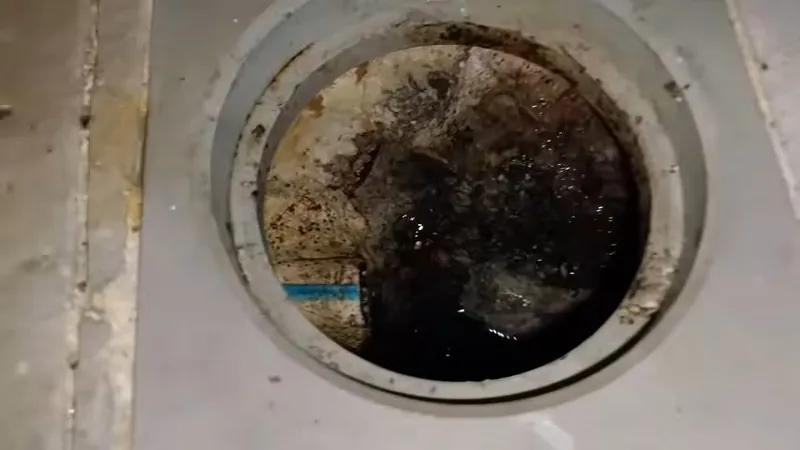
Why a cleared drain clogs again
Most stubborn drain problems are not one blockage. They are a pipe whose inside has narrowed over years, as grease sets on the walls, mineral scale builds in old metal pipe, and fine roots work in at the joints. A drain cable gets water flowing again by boring through the middle, which is the right first step and not a lasting fix for that kind of line.
Hydro jetting cleans the full circumference of the pipe wall with high-pressure water, so the line goes back close to its original diameter instead of keeping a narrow channel through the buildup.
Same drain clogging again and again? Jetting is usually the answer.
Call (833) 840-2034Camera before the jetter goes in
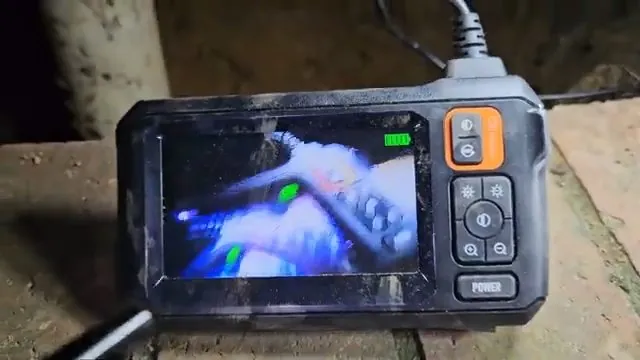
Water at this pressure is not something to point blindly down an old pipe. A camera inspection comes first, for two reasons: to see what the buildup actually is, and to make sure the pipe is sound enough to jet.
- Sound pipe with buildup: a good candidate for jetting.
- Cracked or badly corroded sections: need care, a lower pressure, or repair first.
- A collapsed or crushed section: should not be jetted at all; it needs repair.
- Heavy root mass: often cut back first, then jetted to clear the debris.
This matters most in older parts of Palo Alto, where laterals of vitrified clay or cast iron can be many decades old. The camera is the difference between cleaning a pipe and finishing one off.
How jetting works
A jetter pushes water through a hose to a nozzle at pressures in the thousands of psi. The nozzle design does most of the work.
- Access. The hose goes in through a cleanout, or through a fixture opening for smaller lines.
- Propel and scour. Rear-facing jets drive the nozzle forward along the pipe and blast the walls behind it.
- Break through. A forward jet opens any blockage ahead of the nozzle.
- Pull back slowly. The hose is retracted gradually, scouring the walls a second time and flushing debris toward the main.
- Camera again. A final run confirms the wall is clean and shows anything that still needs repair.
Different nozzles suit different jobs: some are built to cut roots, others to rotate and polish heavy grease off the wall.
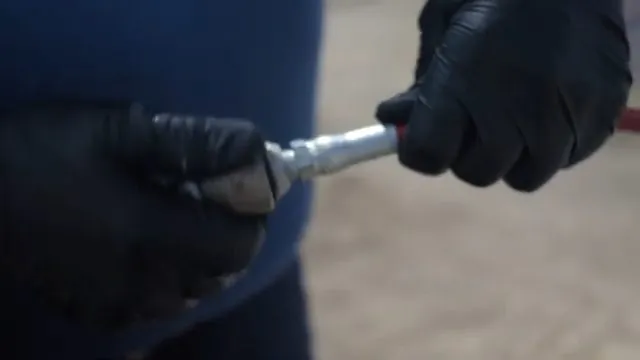
Grease, roots and scale: what jetting removes
| Buildup | What jetting does | What to know |
|---|---|---|
| Kitchen grease and soap | Strips it from the full pipe wall | Comes back if grease keeps going down the sink |
| Fine roots at joints | Cuts and flushes them out | Return unless the joint they entered is sealed or repaired |
| Mineral scale in old metal pipe | Removes loose and moderate scale | Heavily corroded pipe may be too thin to jet hard |
| Sand, silt and debris | Flushes it to the main | Common in yard and area drains after winter rain |
Roots deserve a specific word. Jetting clears a root intrusion very effectively, but the gap in the joint is still there afterwards. If roots come back within a year or two, the long-term fix is sealing that joint, often by pipe relining.
Commercial kitchen jetting and Palo Alto's grease rules
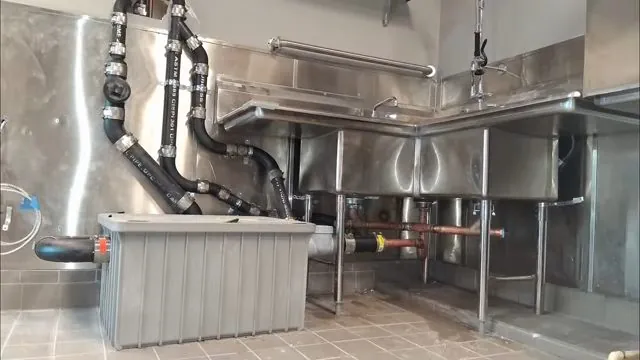
Commercial kitchens are where jetting earns its keep. Palo Alto regulates fats, oils and grease from food facilities under Palo Alto Municipal Code Chapter 16.13, because grease clogs pipes and causes sanitary sewer overflows. A grease control device catches most of it, but the line downstream still accumulates a coating over time.
For a busy kitchen, scheduled jetting on a regular interval is far less disruptive than an emergency backup during service. The camera footage from each visit also shows whether buildup is getting worse, which usually means the grease control device needs attention.
Running a food business with a slow line? Schedule it before it backs up.
Call (833) 840-2034When jetting is the wrong tool
Jetting cleans a pipe; it does not repair one. If the camera shows any of these, cleaning will not solve the problem and may hide it for a while.
- A section that has collapsed or been crushed
- A belly, a low spot where water and waste settle
- Joints that have separated or offset badly
- A pipe so corroded that its wall has thinned through
Those are repair jobs, covered on our sewer line repair page. A single clog in a sound line is the opposite case: plain drain clearing with a drain cable is quicker and costs less than bringing in a jetter.
How often a line should be jetted
There is no single right interval. As a general guide, preventive drain cleaning every 18 to 24 months suits many single-family homes, while lines with mature tree roots nearby or heavy kitchen grease use often benefit from jetting about once a year.
The better answer comes from your own line. If the camera shows the wall staying clean between visits, the interval can stretch. If buildup returns quickly, either the interval shortens or something upstream, usually grease habits or an open joint, needs fixing.
Hydro jetting questions
What does hydro jetting cost in Palo Alto?
Jetting a main sewer line falls in a wide market range of about $450 to $950, depending on the length of line, how it is accessed, and how much buildup or root growth there is. A camera inspection is normally part of the visit, and you get a written range before the jetter goes in.
Is hydro jetting safe for older pipes?
For sound pipe, yes. For cracked, heavily corroded or partly collapsed pipe, it can do damage, which is why the camera inspection comes first. Fragile sections are jetted at lower pressure, repaired first, or not jetted at all.
Who is qualified to hydro jet a sewer line?
Sewer and drain work falls under plumbing in California, so look for a contractor holding a C-36 plumbing license and check it on the Contractors State License Board website. Ask too whether a camera inspection is included, because jetting without one is guesswork.
Will hydro jetting get rid of tree roots for good?
It removes them thoroughly, but roots return through the same open joint or crack they used before. Jetting buys time; sealing or repairing the entry point is what stops them, and the camera shows where that point is.
Should I try snaking first or go straight to jetting?
For a first clog in a line that has been fine for years, snaking is quicker and costs less. For a line that clogs repeatedly, or a kitchen or main line with known grease or root buildup, jetting is usually the better first move.
A line that keeps clogging?
Call and tell us how often it has backed up and what has been tried. We camera the line, tell you whether jetting will solve it, and give a written range before any work.