
Palo Alto, CA · Toilet Repair and Replacement
Toilet Repair in Palo Alto, CA: Why It Keeps Refilling and What to Check First
The toilet refills by itself in the middle of the night, keeps running after a flush, rocks when you sit on it, or leaves water around its base. A toilet has only a handful of moving parts, so most of these problems trace to one of them and are fixed in a single visit. Toilet repair and installation in Palo Alto, CA covers running tanks, leaks at the base and full replacements.
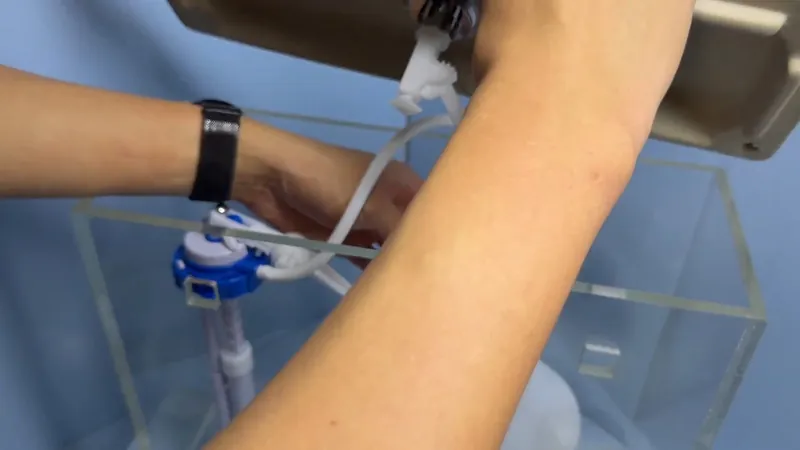
A toilet that refills on its own
A toilet that briefly refills when no one has used it, sometimes called phantom flushing, is losing water from the tank into the bowl. When the level drops far enough, the valve tops it up. It can happen every few minutes or every few hours.
- A worn flapper. The rubber seal at the bottom of the tank hardens or warps with age and no longer seals completely. This is the most likely cause.
- A chain that is too short or tangled. It holds the seal slightly open.
- A fill valve set too high. Water runs over the top of the overflow tube and down into the bowl continuously.
- A worn valve. The valve that refills the tank does not shut off cleanly, so it hisses or trickles.
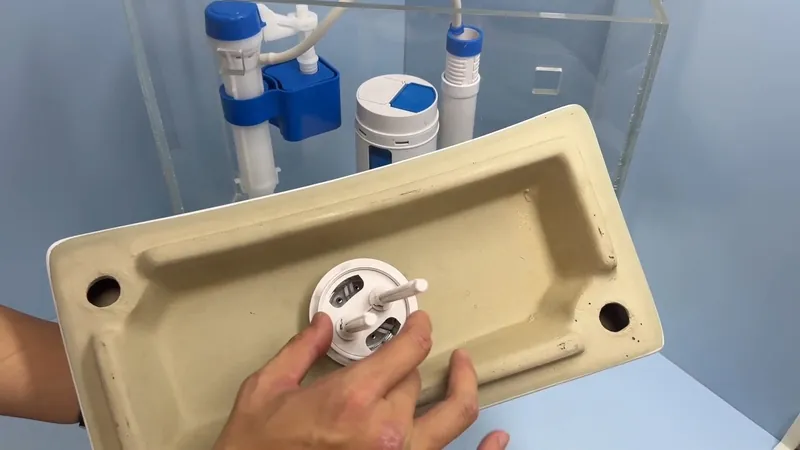
Toilet running all night? It is wasting water every hour. Call to have it fixed.
Call (833) 840-2034Testing for a leak you cannot hear
Many tank leaks are silent. This test takes a quarter of an hour and needs nothing more than a few drops of food coloring.
- Take the lid off the tank and add enough food coloring to tint the water clearly.
- Do not flush. Leave the toilet for about 15 minutes.
- Look in the bowl. Any color there means water is getting past the seal at the bottom of the tank.
- Check the water line in the tank. If it sits at or above the top of the overflow tube, the fill valve needs adjusting or replacing.
- Flush afterwards so the coloring does not stain the bowl.
If the test is clean but the water meter still moves with everything off, the leak is somewhere else. Our hidden leak detection page explains the next steps.
Water on the floor around the base
Water at the foot of a toilet needs to be traced quickly, because it can soak into the subfloor long before it looks like much from above.
- Only after flushing. The wax ring that seals the toilet to the drain has failed. The toilet has to come up so the ring can be replaced.
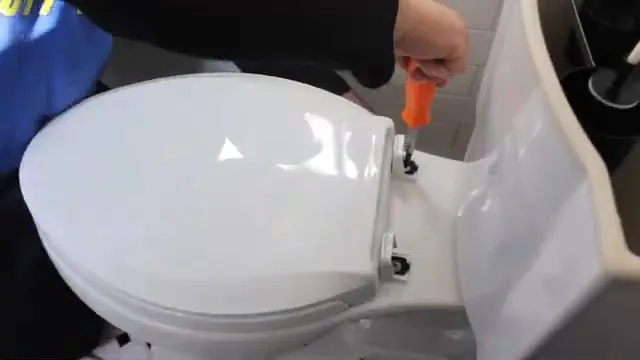
- A toilet that rocks. Loose bolts or a damaged closet flange underneath. Rocking breaks the wax seal, so it causes the leak above if it is not fixed.
- All the time, from the back. The supply line, the shut-off valve, or the gasket and bolts between the tank and the bowl.
- Beads of water on the outside of the tank. Condensation from cold water in a humid room. It looks like a leak but is not one.
Dry everything, then lay a strip of tissue around the base and along the supply line. Where it gets wet first shows where the water starts.
Clearing a clogged toilet
A single clogged toilet is almost always a blockage in its own trap, within the first foot or so of the drain.
- Stop the flushing. If the bowl is close to the rim, do not flush again. Close the valve behind the toilet.
- Use the right plunger. A flange plunger, with a soft extension at the bottom, seals in a toilet outlet. A flat sink plunger does not.
- Try a closet auger. This short, hand-cranked tool is made for toilets and has a guard that protects the porcelain.
- Avoid chemical drain cleaners. They rarely clear a toilet and leave a caustic bowl for whoever works on it next.
If the toilet keeps clogging, or the tub or shower gurgles or backs up when it is flushed, the problem is further down the line. That is a sewer line question rather than a toilet one.
Cracks in the tank or bowl
Porcelain does not repair well. A hairline crack in the tank or bowl that weeps water, or any crack below the water line, means the piece needs replacing.
Hairline marks in the glaze above the water line may be cosmetic, but they are worth watching. Cracks often start where the tank bolts were overtightened, which is one reason to have them tightened only until snug.
Replacing a toilet
A new toilet goes in on a new wax ring, new bolts and a new supply line, with the closet flange checked or repaired while the floor is exposed.
- Measure the rough-in first. This is the distance from the wall to the center of the drain. Twelve inches is the most common, but older homes may have ten or fourteen, and the new toilet has to match.
- Water use. In homes built on or before January 1, 1994, permitted alteration work requires non-compliant toilets to be replaced with models using 1.28 gallons per flush. Most toilets sold today already meet that.
- Dual flush. A two-button design that uses less water for liquid waste. It suits households trying to cut water use further.
- Height and shape. Taller, comfort-height bowls are easier for many people to use. Elongated bowls need more room in front.
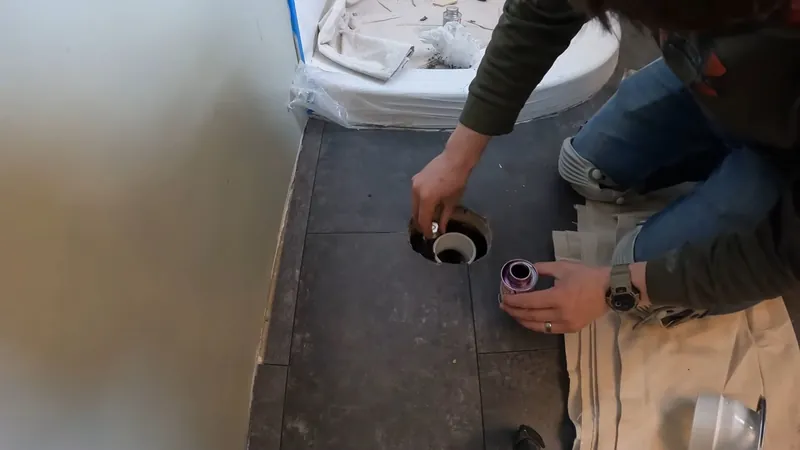
Moving a toilet to a new spot
Moving a toilet, in a remodel or an ADU, is a drain job rather than a fixture swap. The drain has to run to the new position at a proper slope, and it needs a vent.
In a house on a raised foundation the new drain can usually run underneath. In a slab house it may mean cutting the concrete, which is why slab homes often keep the toilet in its original position. Relocations are permitted work and are inspected before the floor is closed.
Planning to replace or move a toilet? Call to talk through the options first.
Call (833) 840-2034Toilet questions
Why does my toilet periodically run on its own without being flushed?
Water is leaking slowly from the tank into the bowl, and the valve tops it up again when the level drops. The usual cause is a worn rubber flapper, sometimes a short chain or a fill valve set too high. Replacing the seal, or adjusting or replacing the valve, stops it.
How much does toilet repair cost in Palo Alto?
It depends on the problem. Replacing the parts inside the tank is a short job; replacing a wax ring or flange means lifting the toilet; a new toilet or a relocation is more. You get a written range after the toilet has been looked at.
Who should repair or install a toilet, and does it need a permit?
A plumber with a California C-36 license, which you can verify on the Contractors State License Board website. A straight swap is a routine job; moving a toilet to a new spot changes the drain and is permitted, inspected work.
Do I have to install a 1.28-gallon toilet in Palo Alto?
If your home was built on or before January 1, 1994, and you are doing permitted alterations, California's SB 407 rules require non-compliant toilets to be replaced with 1.28-gallon-per-flush models, and the city will not final the permit until that is certified. Most new toilets already meet it.
Why does my toilet keep clogging?
In an older low-flow toilet, weak flushing is a common cause. Other causes are things that should not be flushed, a partial blockage in the trap, or a problem further down the drain. If other fixtures gurgle or back up as well, the main line needs to be checked.
Toilet running, leaking or clogged?
Call and tell us what the toilet is doing. Many of these are a single part, and you will get a written range before anything is replaced.